CRM Software Pricing 2026: Off-the-Shelf or Custom?
What does CRM really cost? Per-user subscription models, implementation and consulting costs, hidden line items, and when custom CRM makes sense.
What does CRM really cost? Per-user subscription models, implementation and consulting costs, hidden line items, and when custom CRM makes sense.

Typical costs for ready-made CRMs are in the [€15 - €150] range per user per month; for a small sales team (5 users), the annual software cost is roughly [€100 – €750]. However, the real cost isn't in the software itself, but in the installation: process design, data transfer, integrations, and team training often bring the total for the first year up to 1-2 times the license fee. Developing a custom CRM starts at [€10,000] and only makes sense under certain conditions — which conditions are detailed below.
Author: Bugra — I have been working as a business analysis and sales operations consultant on ERP/CRM projects for 6 years.
Nearly all modern CRMs sell on a per-user monthly subscription with three typical tiers:
Entry tier ([€15 – €35]/user/month): basic contact records, a simple pipeline, limited automation. Enough for small teams at the start; most hit its ceiling within 6–12 months.
Mid tier ([€35 – €80]/user/month): automation rules, email integration, reporting, API access. This is what most SMEs actually need — budget for this tier.
Top tier ([€80 – €150+]/user/month): advanced permissions, custom reporting, AI features. Usually only justified for 20+ users across multiple teams.
You'll hear "we bought a CRM but nobody uses it" a lot. Here's why: CRM isn't a software purchase, it's the act of translating your sales process into a system. That brings these line items:
Process design and setup: pipeline stages, fields, permissions, automations — [€1000 – €7.000] with a consultant, or a serious time investment in-house.
Data migration: cleaning and moving customer data out of spreadsheets and inboxes. [€500 – €5.000] depending on how messy your data is.
Integrations: email, phone system, web forms, accounting/ERP connection. [€750 – €20.000] per integration.
Training: a few sessions per team. Cut it, and the software goes on the shelf — the worst outcome is a CRM you pay for but nobody uses.
Consider it if at least two of these apply: your sales process looks nothing like industry standards (e.g., multi-stage dealer/project sales), total pricing exceeds [€10.000]/year across your large team, or your CRM must talk deeply and bidirectionally with core systems (ERP, production, field teams).
Custom development starts around [€10.000], maintenance never ends, and every feature off-the-shelf CRMs ship monthly becomes something you build yourself. Our default advice: implement an off-the-shelf CRM properly first; consider custom only when you genuinely hit the ready-made system's wall.
Conclusion: budget for the system, not the software
What determines CRM success isn't the brand you pick — it's whether your sales process is correctly translated into the system and whether your team actually uses it. If you're unsure which CRM and which tier fits, our free process analysis reviews your current sales flow and gives you a vendor-independent recommendation with a realistic budget range — no strings attached.
👉 [Book Your Free Process Analysis] (For English and Turkish for now)
Frequently Asked Questions
What's a realistic first-year CRM budget for a 5-person sales team?
Mid-tier licenses + implementation/consulting + basic integrations lands around [€1.000 – €10.000]. Budgets built on license price alone usually get revised mid-year.
Are free CRMs any good?
As a starting point, yes — they're a good laboratory for understanding your own process. But you'll hit user, automation and reporting limits fast; treat the free plan as a trial period, not a permanent solution.
Are CRM and ERP the same thing? Do we need both?
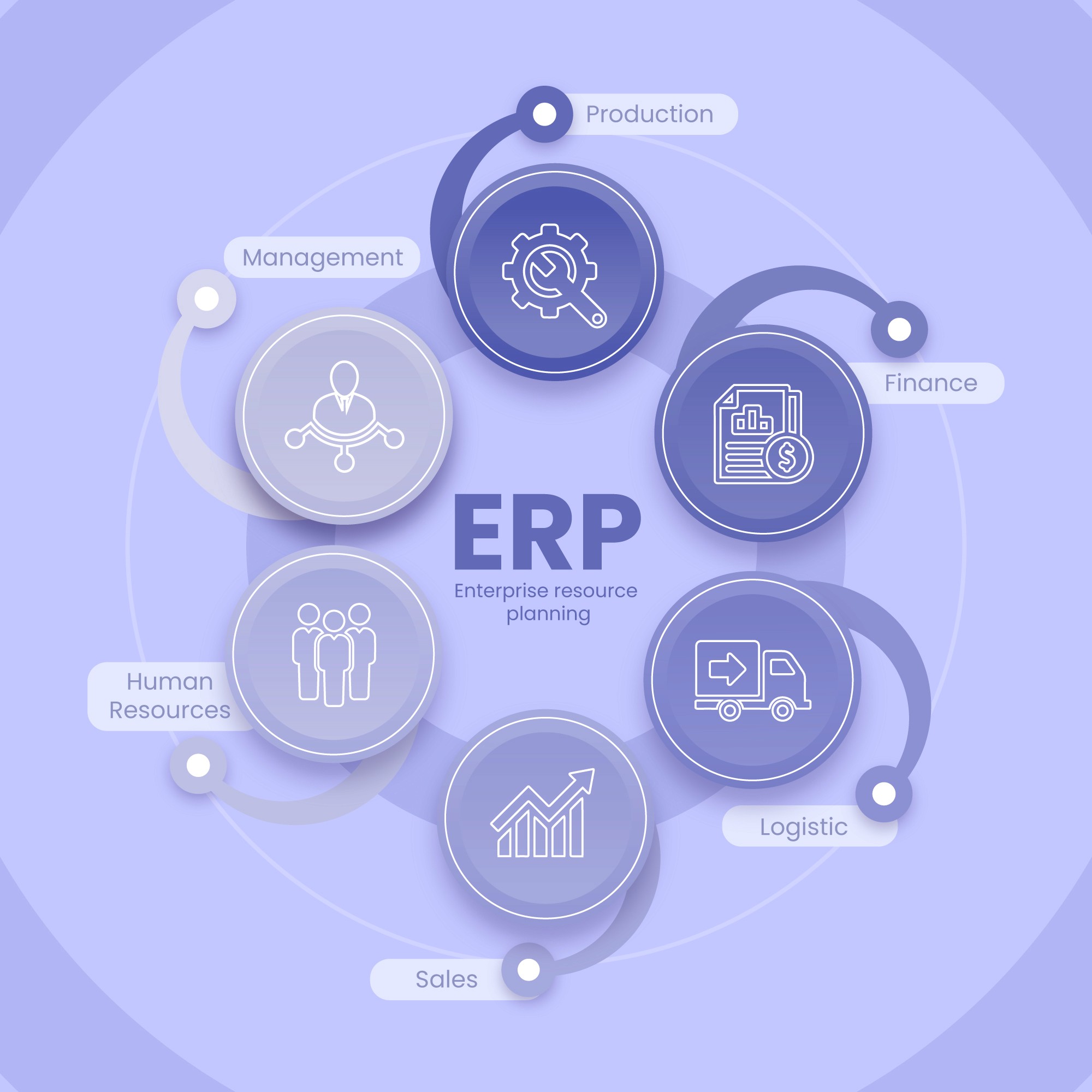
No: CRM manages the customer-acquisition side (pre-sale), ERP manages operations (post-sale: orders, inventory, invoicing, finance). In growing companies they should work integrated — a deal is won in the CRM and flows into the ERP the moment it becomes an order.
Can we migrate our existing Excel data?
Yes, and you should — but clean it first. If duplicates and missing fields get migrated, the system looks unreliable from day one and your team stops using it.